
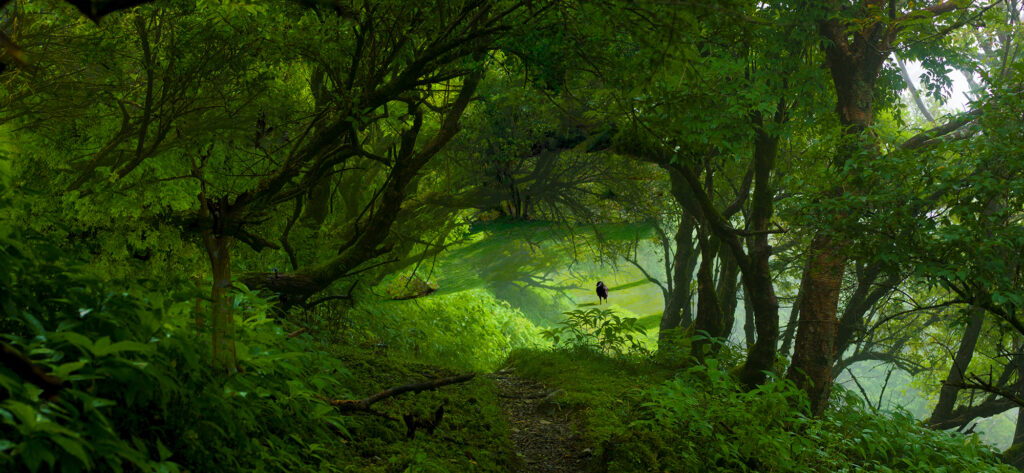
STORYSCAPE : HAZAMA is an ongoing photographic project exploring the relationship between memory, landscape, and memory, landscape, and contemporary perception.
By combining multiple places, times, and fragments of experience into a single image through multiple exposure and montage techniques, the work attempts to visualize landscapes that do not physically exist, yet feel emotionally familiar.
The title HAZAMA refers to an in-between space — a threshold where opposing elements coexist: past and present, visible and invisible, physical and remembered, analog and digital.
In contemporary society, our perception of the world is increasingly shaped by overlapping layers of media, memory, and networked experience. We no longer encounter landscape as a singular reality. Instead, places accumulate within us like fragments of a continuously edited memory.
Rather than using technology as spectacle, STORYSCAPE approaches photography as a quiet process of mediation. The work seeks traces of ambiguity and human sensation that still remain within an age dominated by speed, algorithms, and endless image circulation.
The images are constructed from photographs captured in geographically distant locations, often connected through historical memory, mythology, ritual, or personal experience. Through layering and reconstruction, the work creates landscapes suspended between documentation and imagination.
For me, photography is not only a tool for recording reality, but also a way of revealing invisible relationships hidden within time and place.
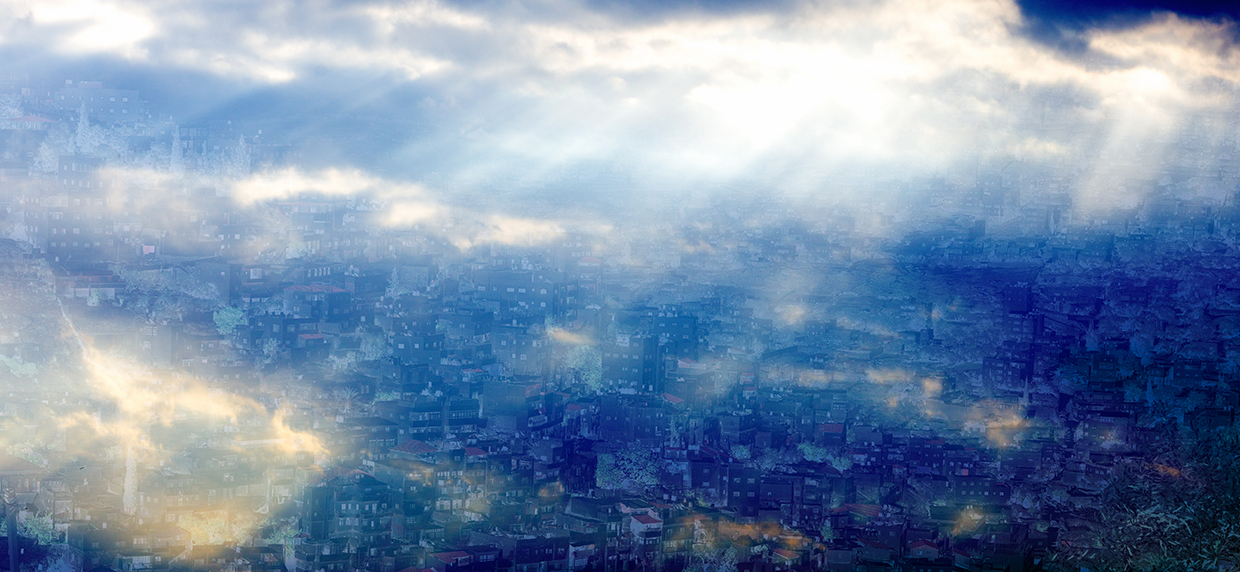
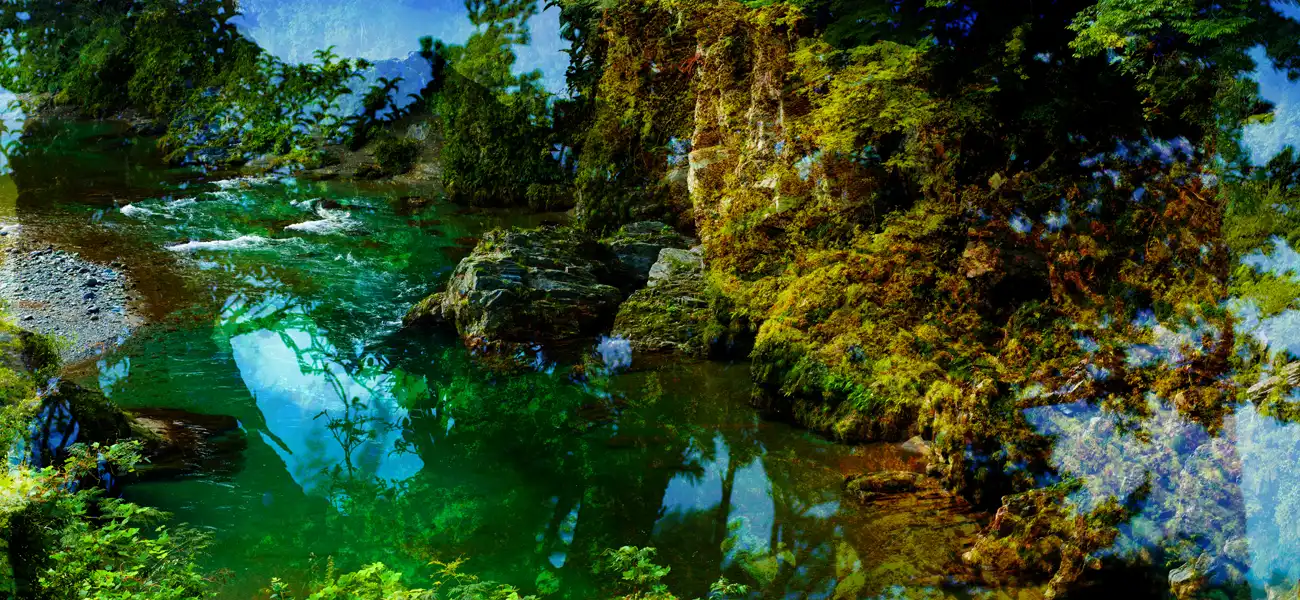
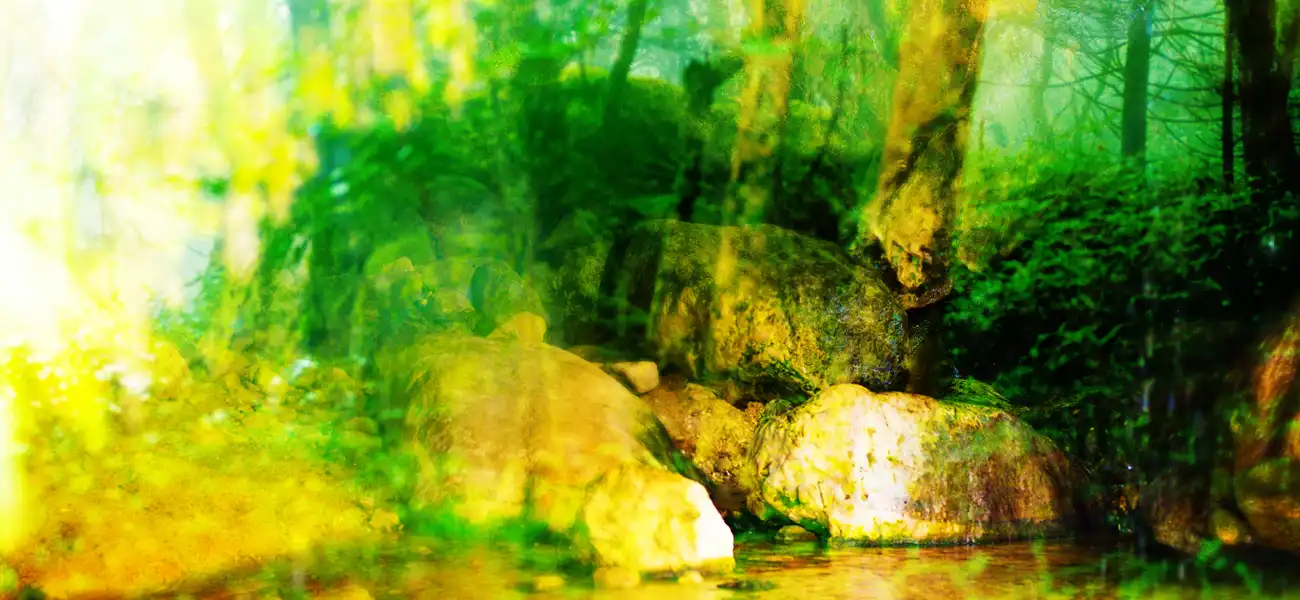
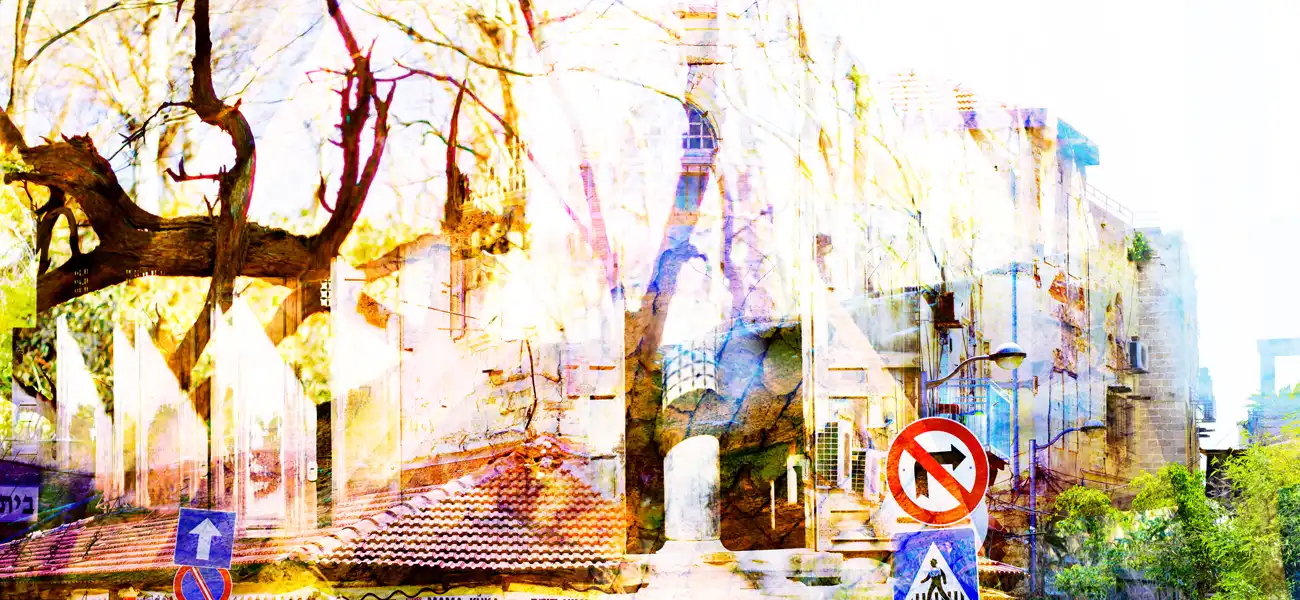
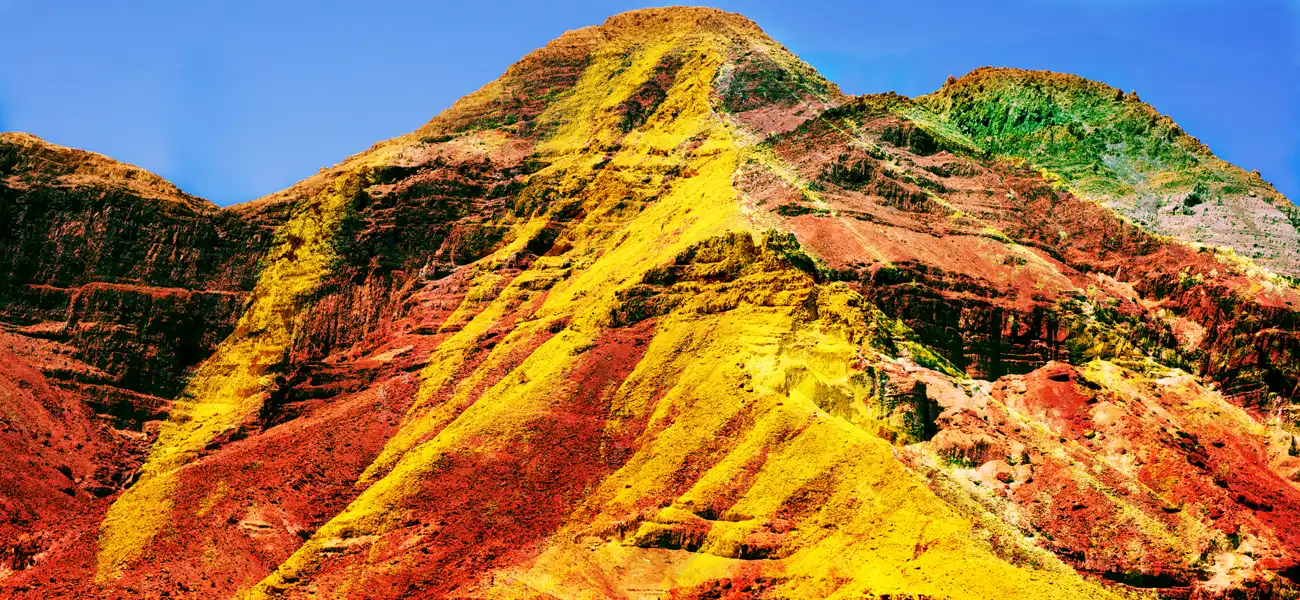
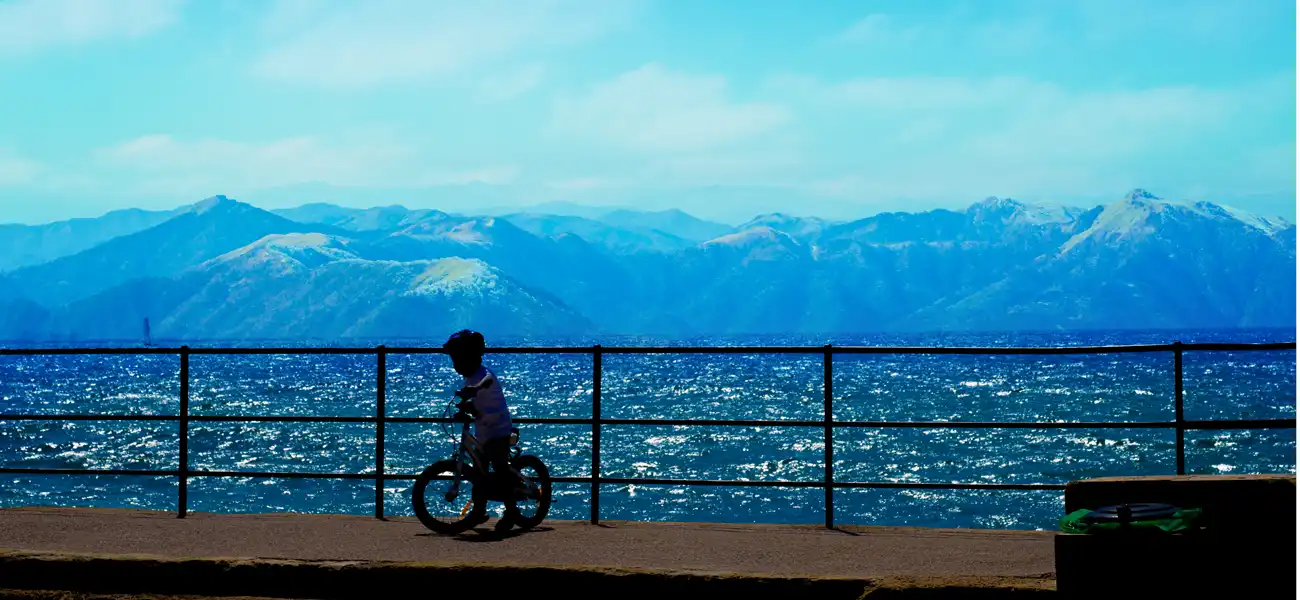
The work is envisioned as a spatial installation composed of layered photographic prints and translucent materials. By allowing light, shadow, and overlapping images to interact within the exhibition space, the installation extends the concept of “HAZAMA” into a physical experience. The viewer moves through shifting layers of landscape and memory, encountering images that appear simultaneously present and distant, visible and fading.
The works are created through a combination of multiple exposure photography, digital montage, and archival pigment printing processes. Images captured across geographically distant locations are layered and reconstructed through both analog photographic methods and digital post-production. Rather than aiming for seamless compositing, the process intentionally preserves traces of ambiguity, displacement, and temporal overlap. The final works are produced as archival pigment prints, with some installations incorporating translucent materials and spatial layering.