STORYSCAPES — Landscapes of Memory
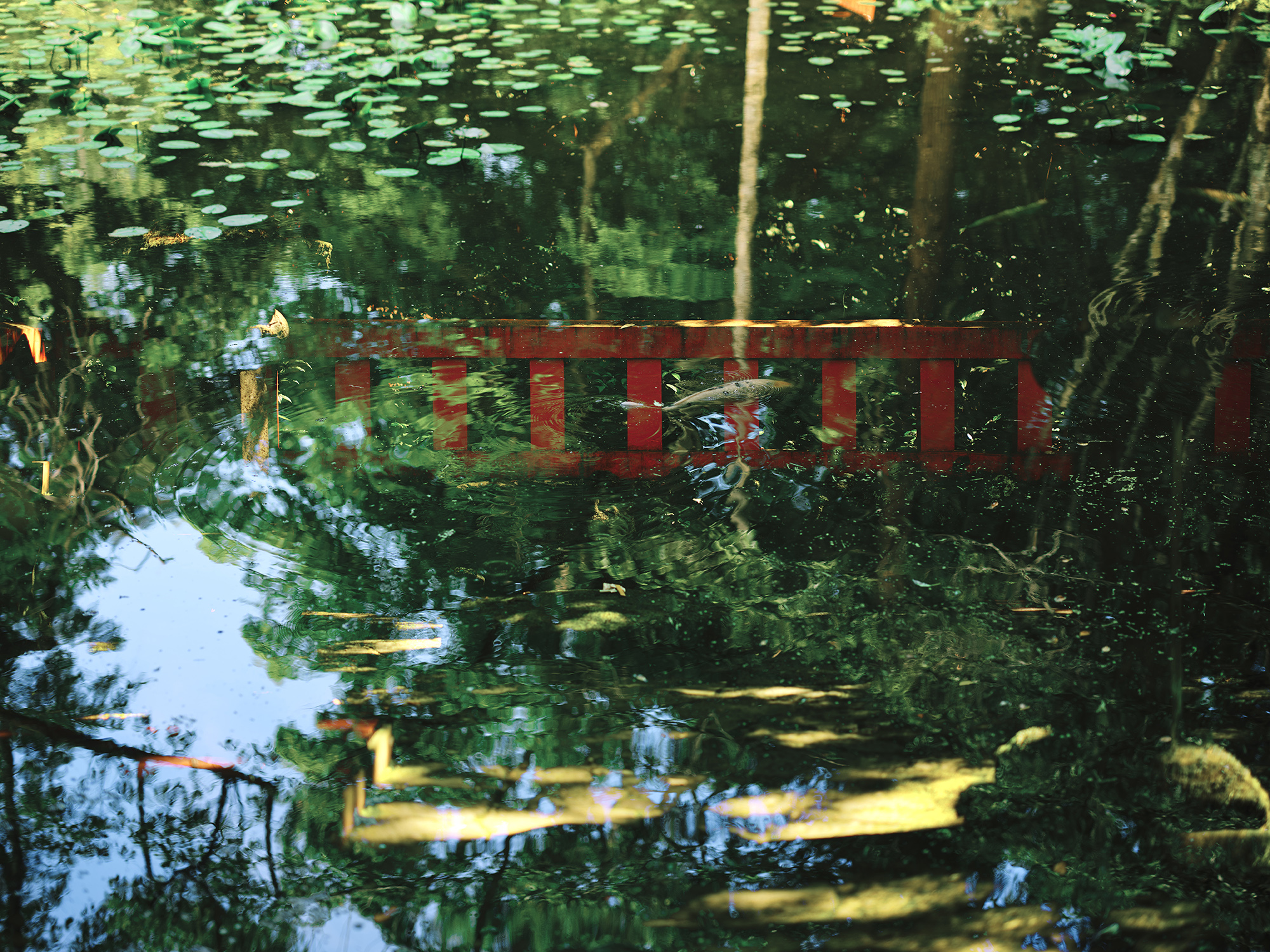
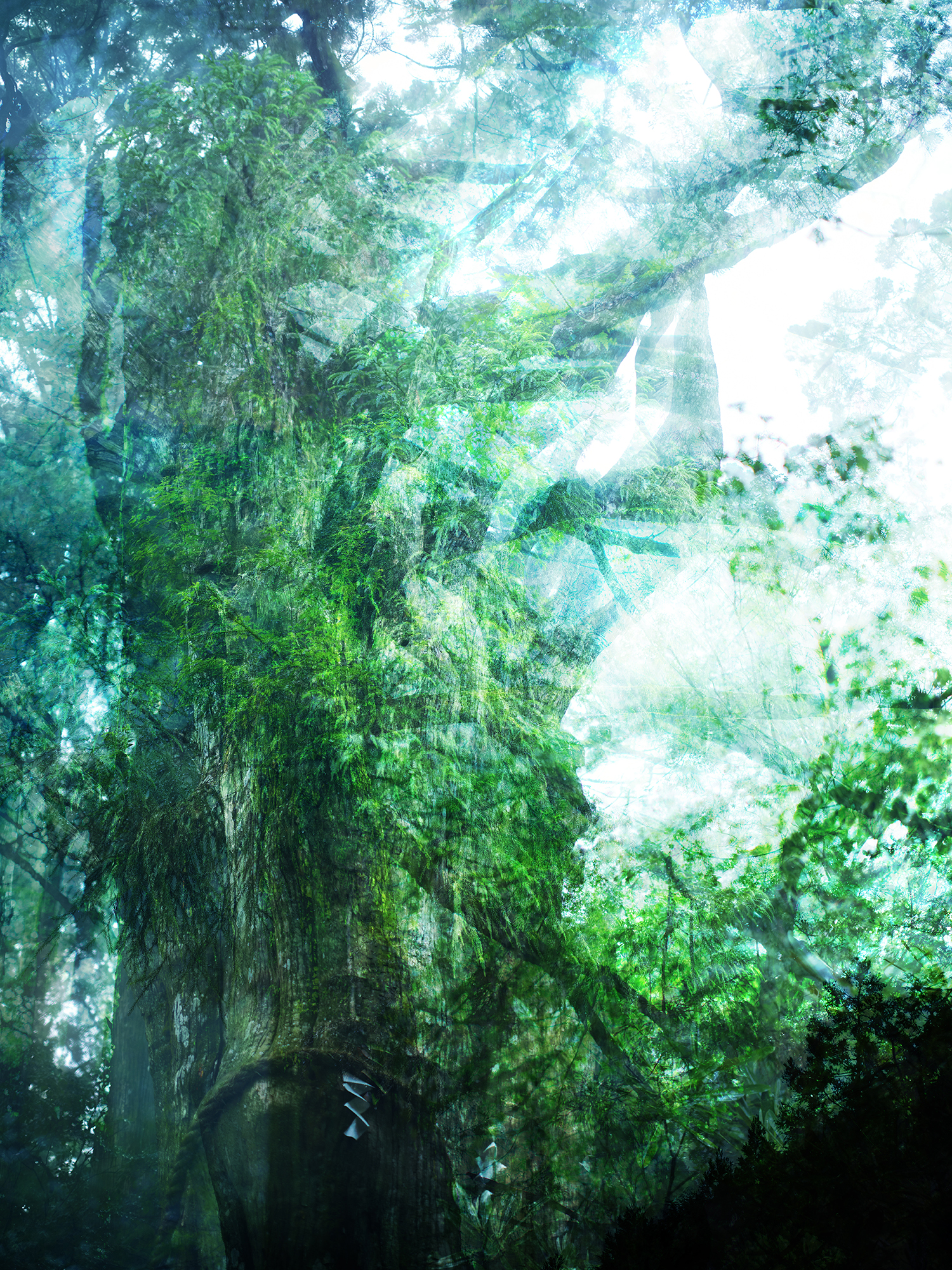
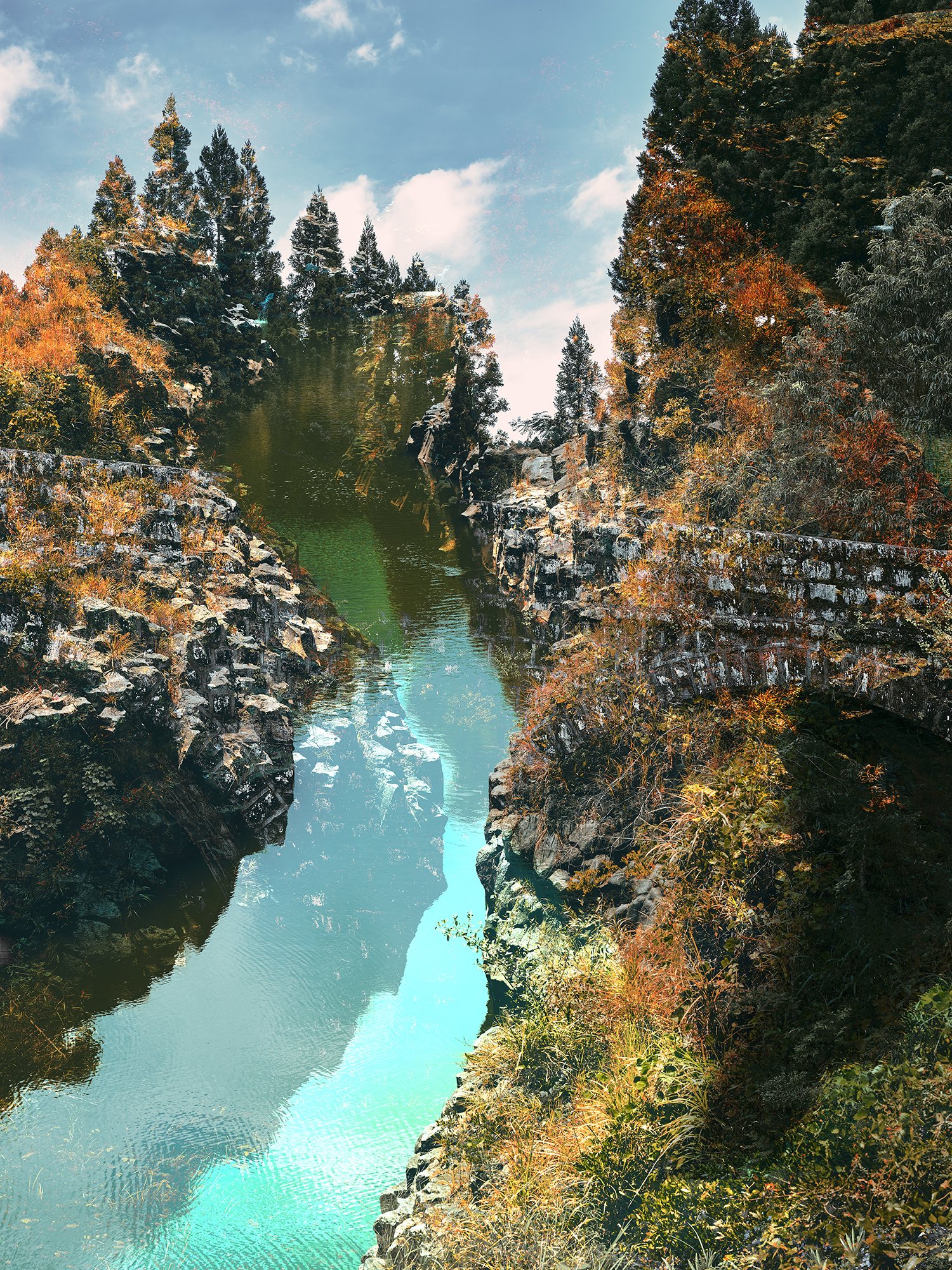
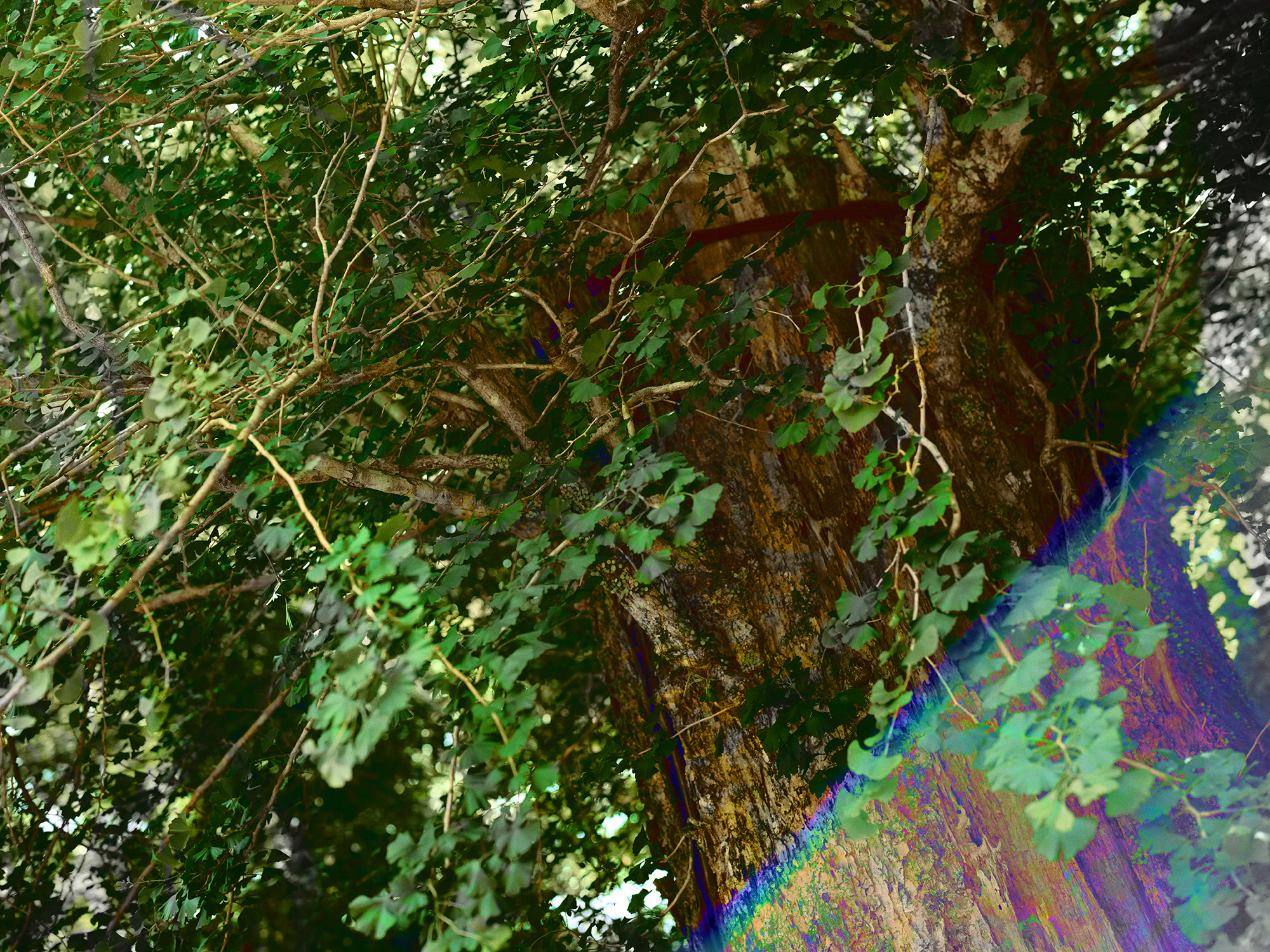
STORYSCAPES is an ongoing photographic project exploring landscapes of memory—places where mythology, history, human experience, and cultural inheritance continue to resonate across time.
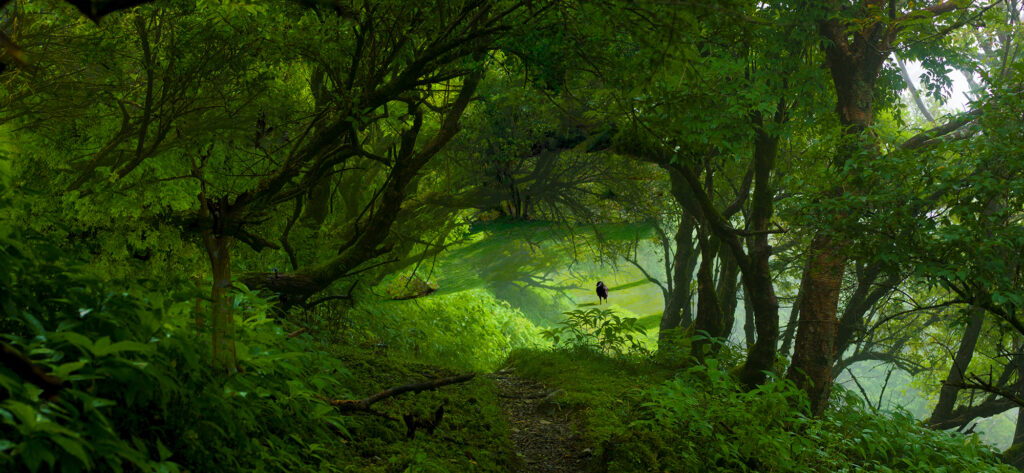
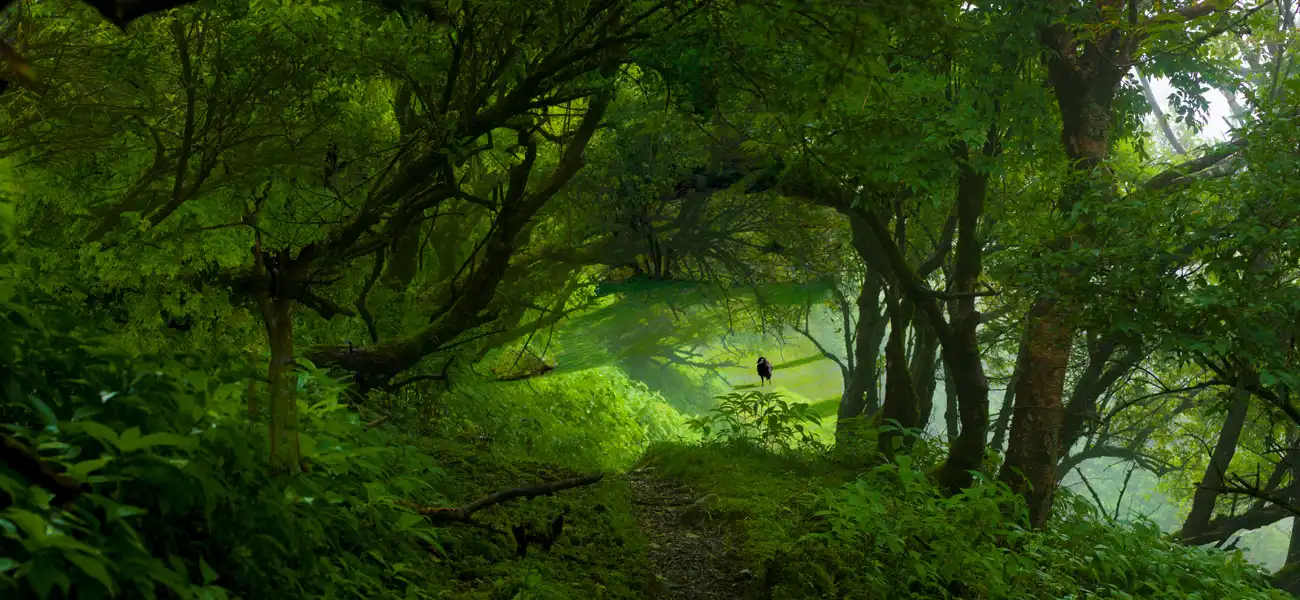
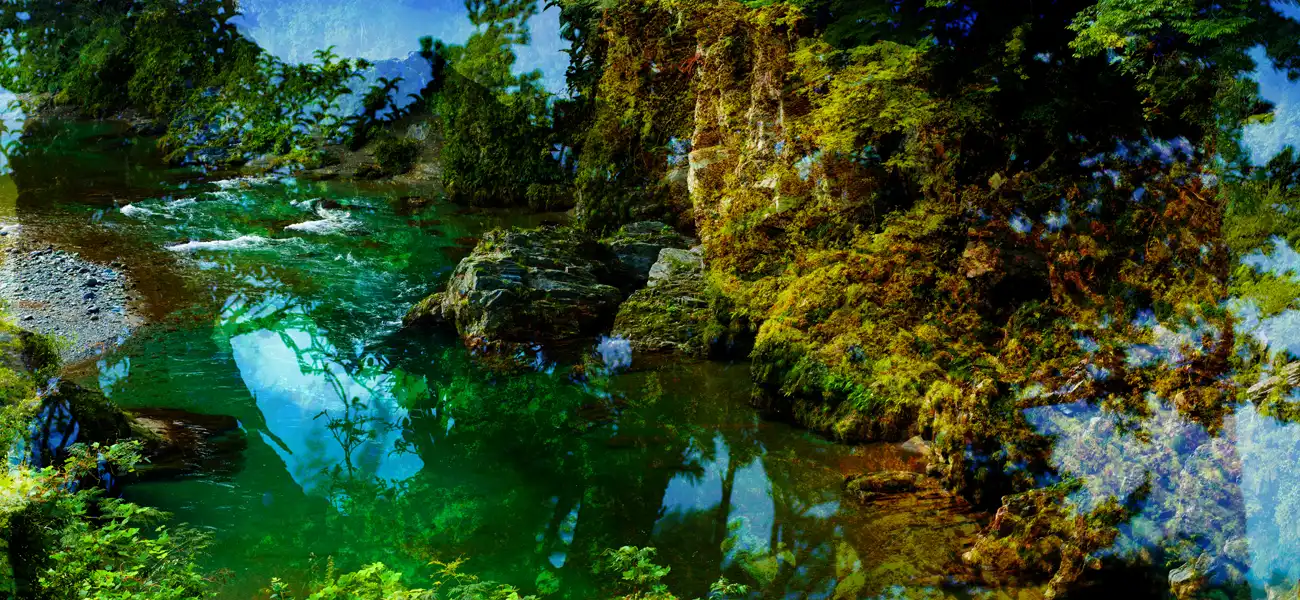
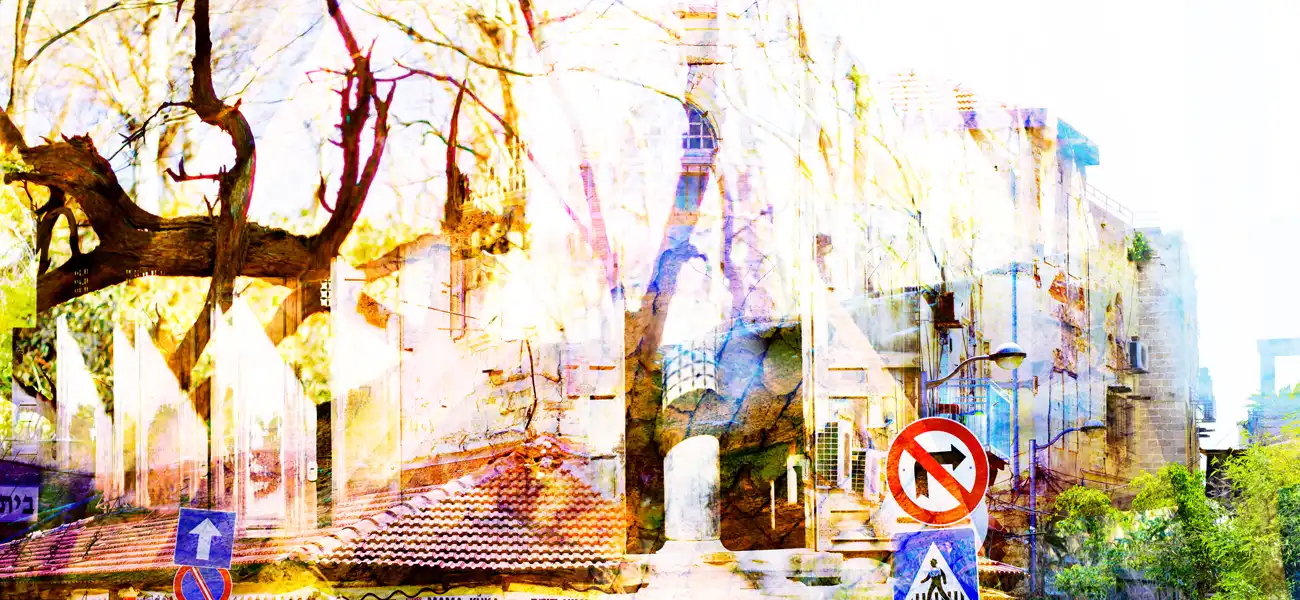
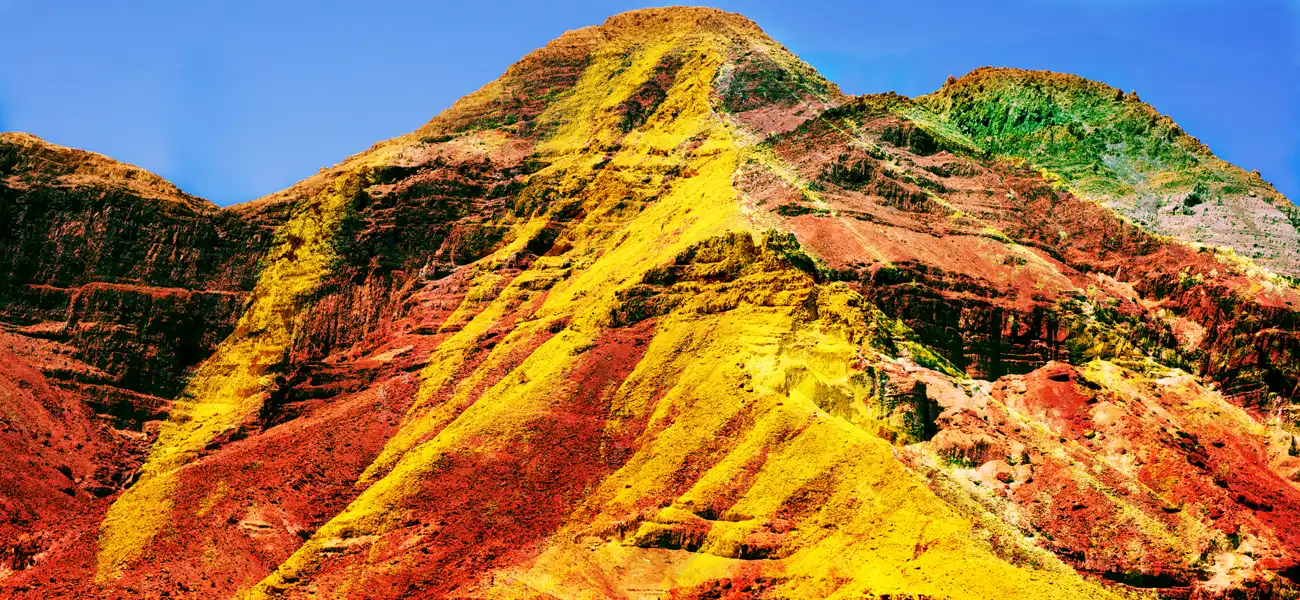
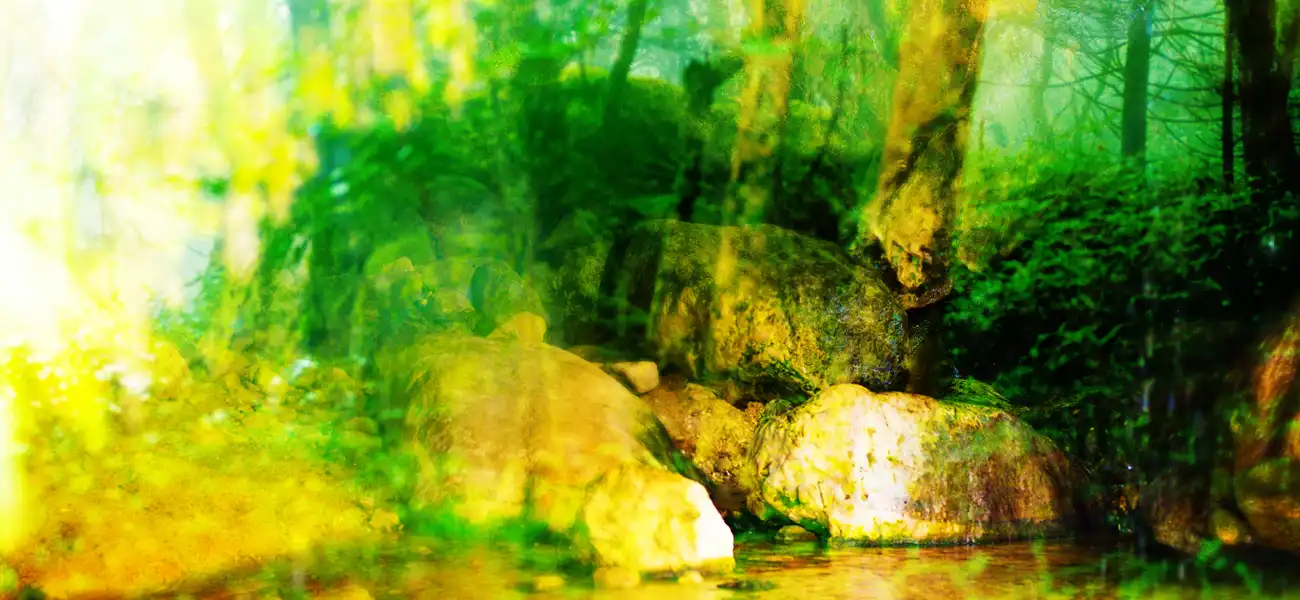
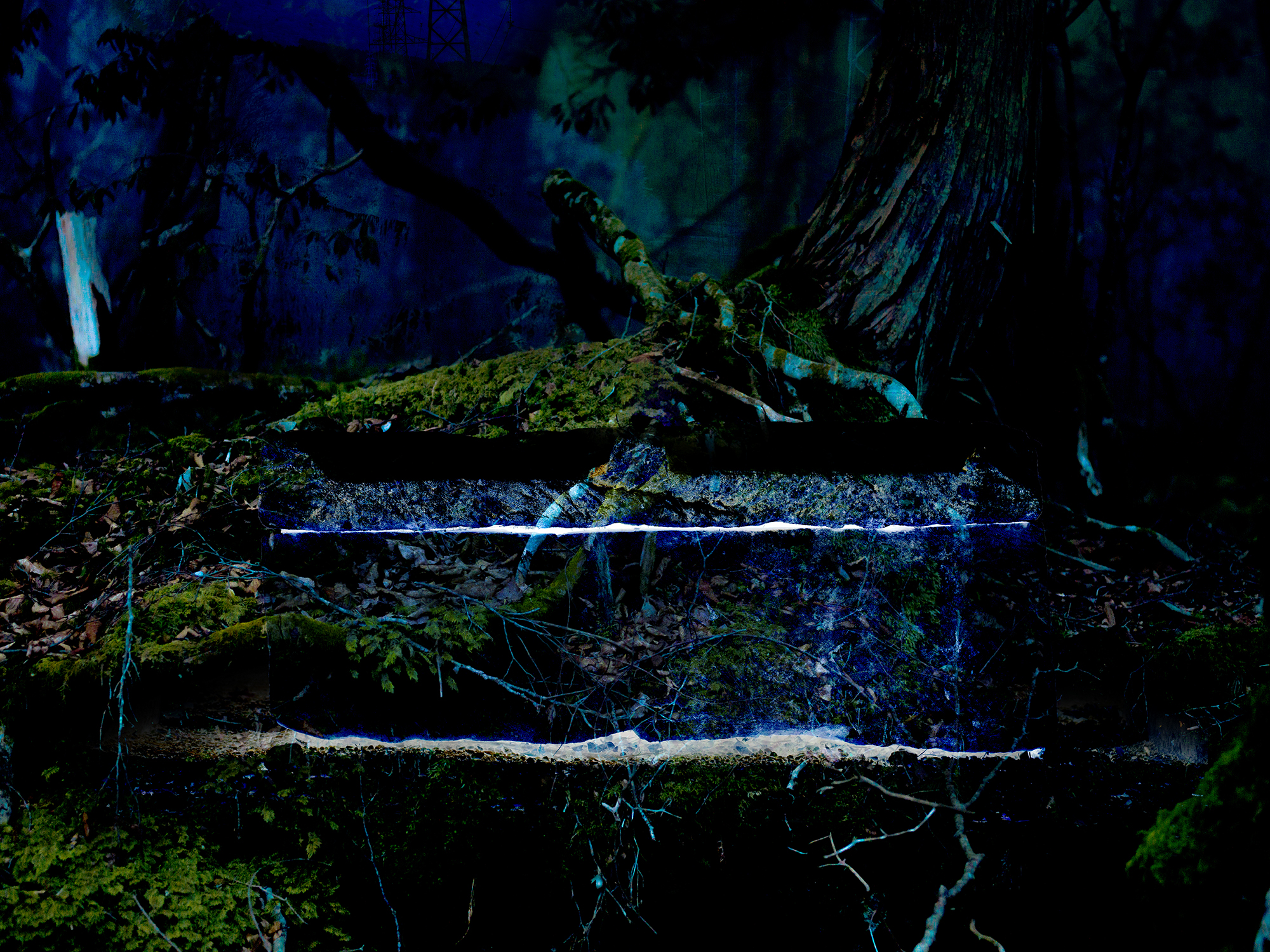
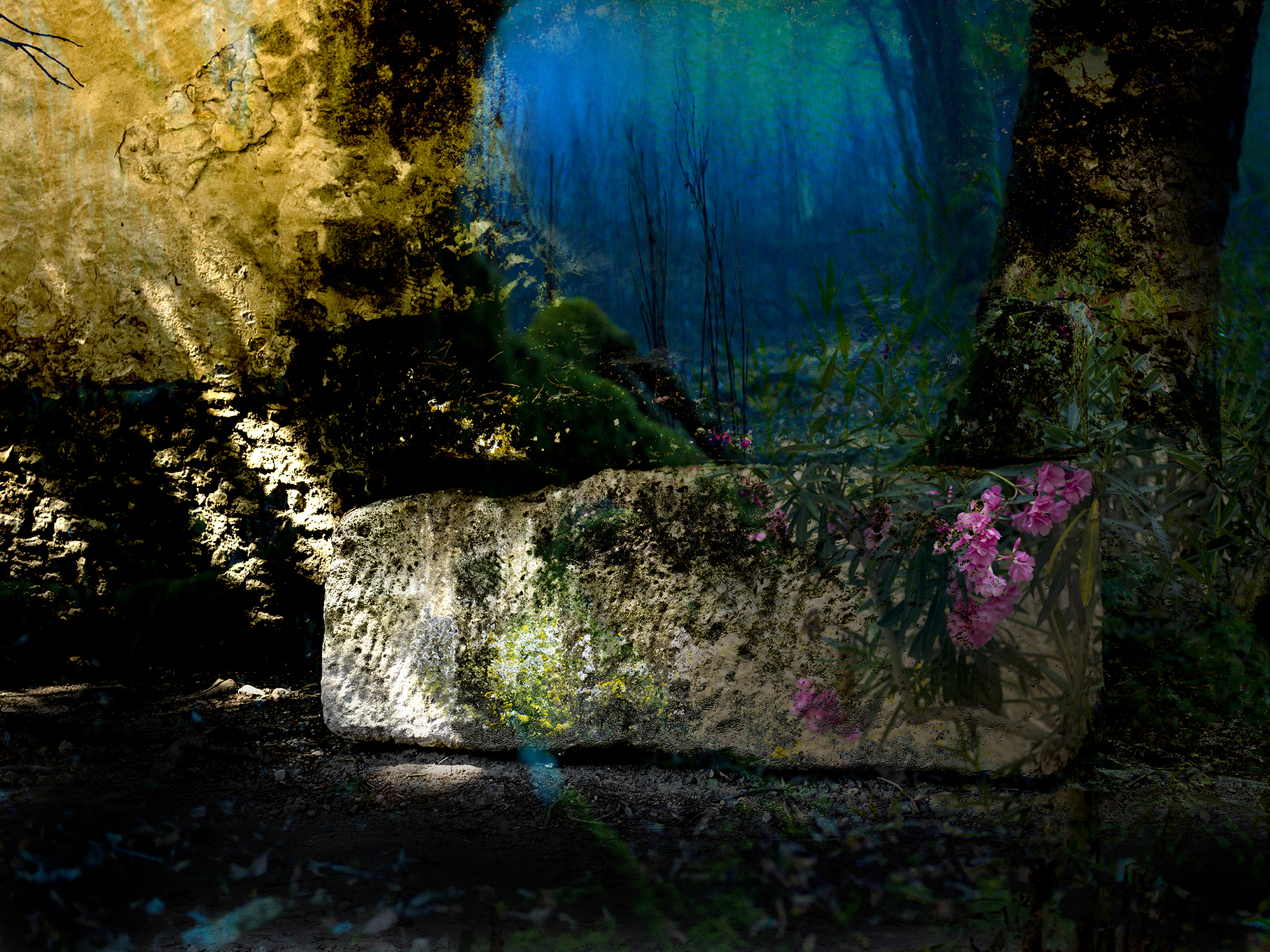
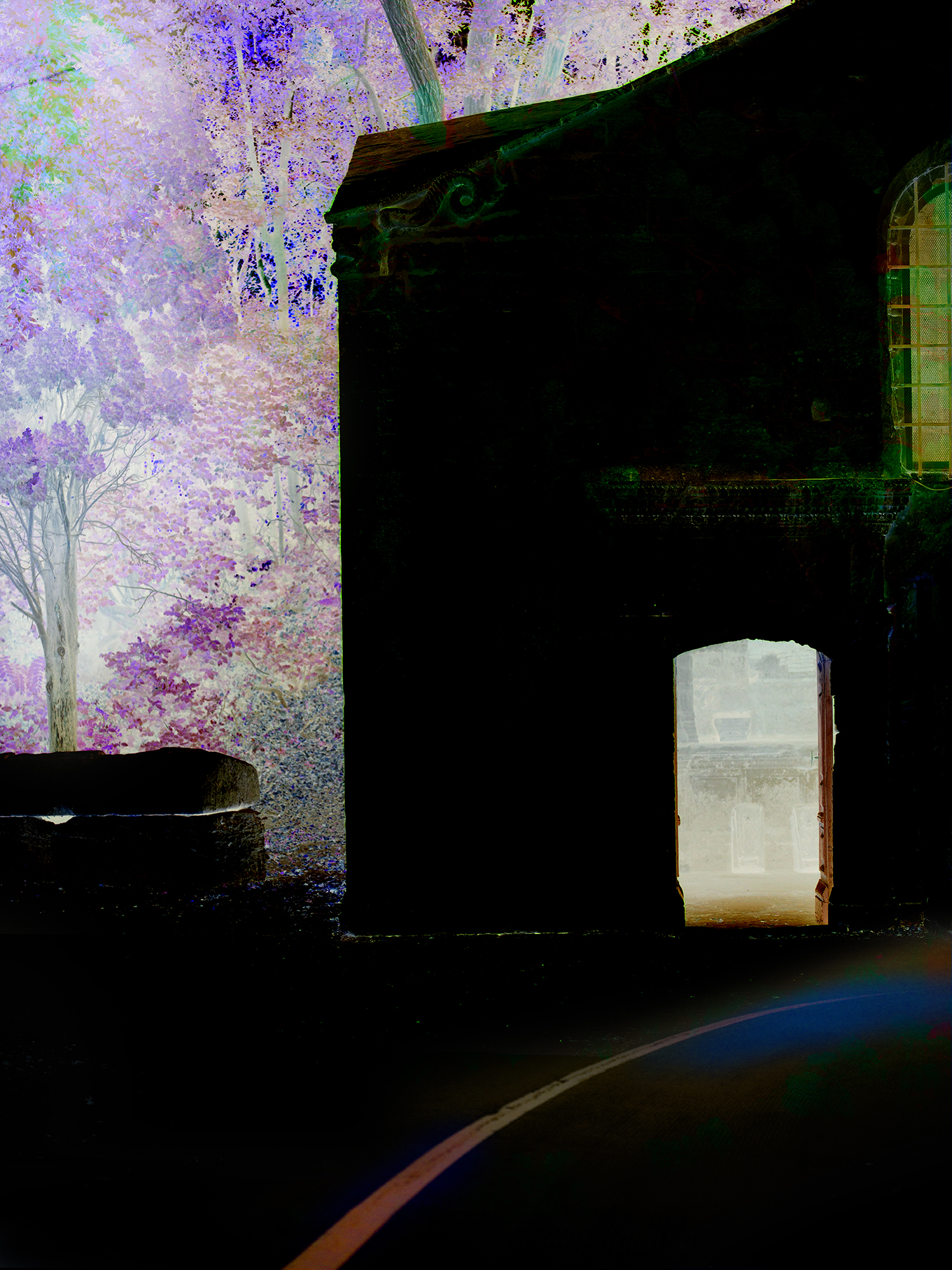
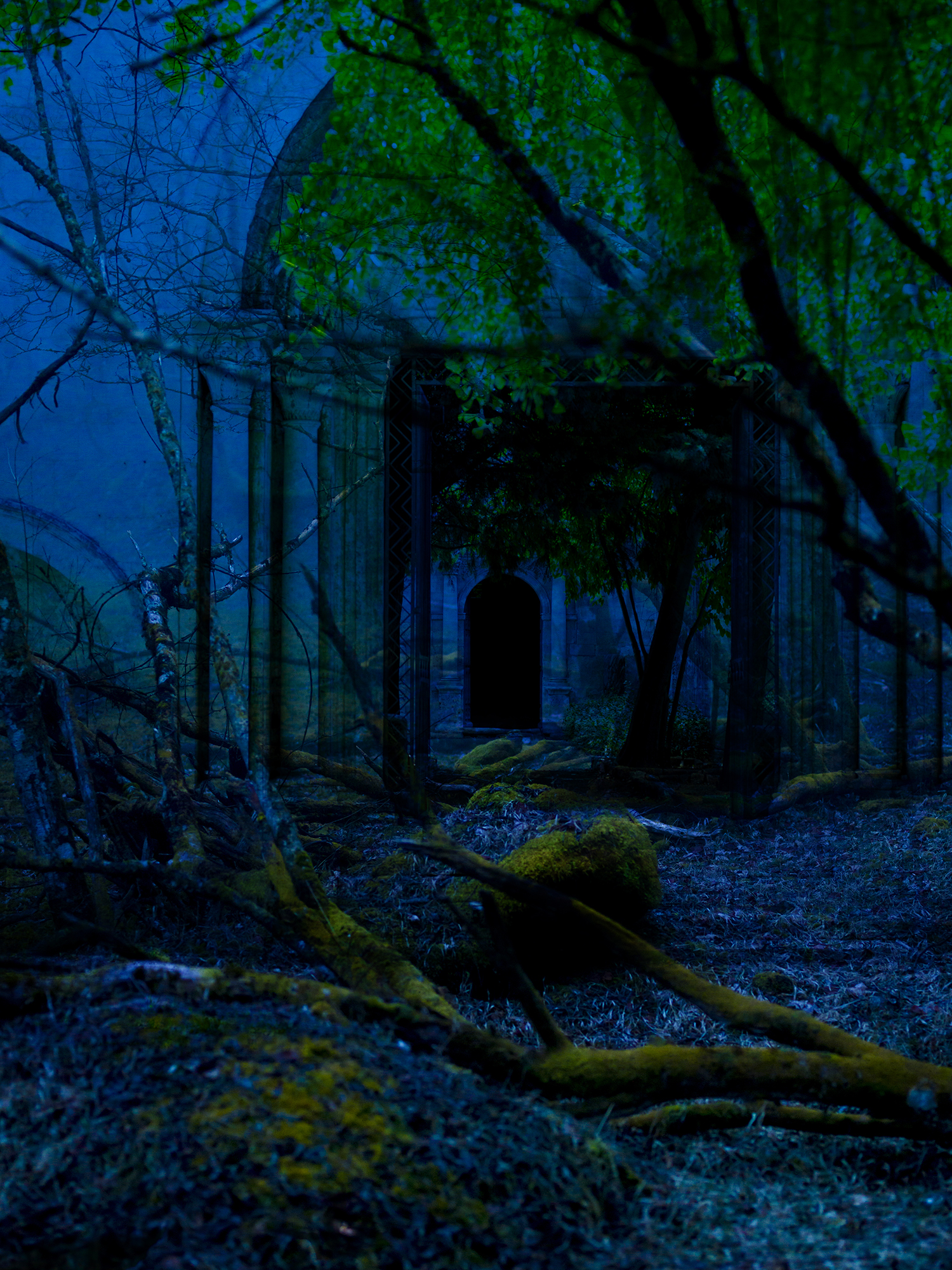
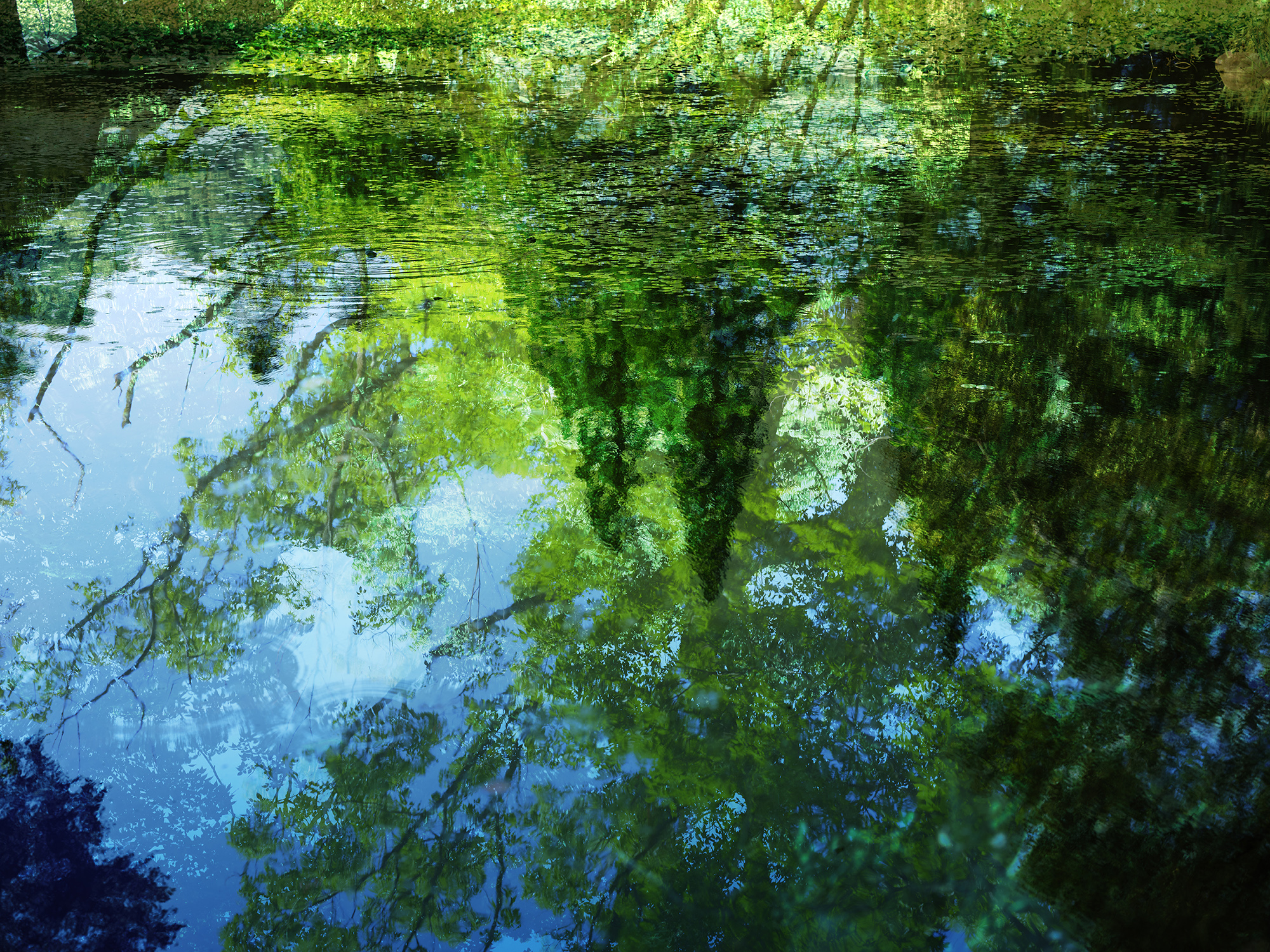
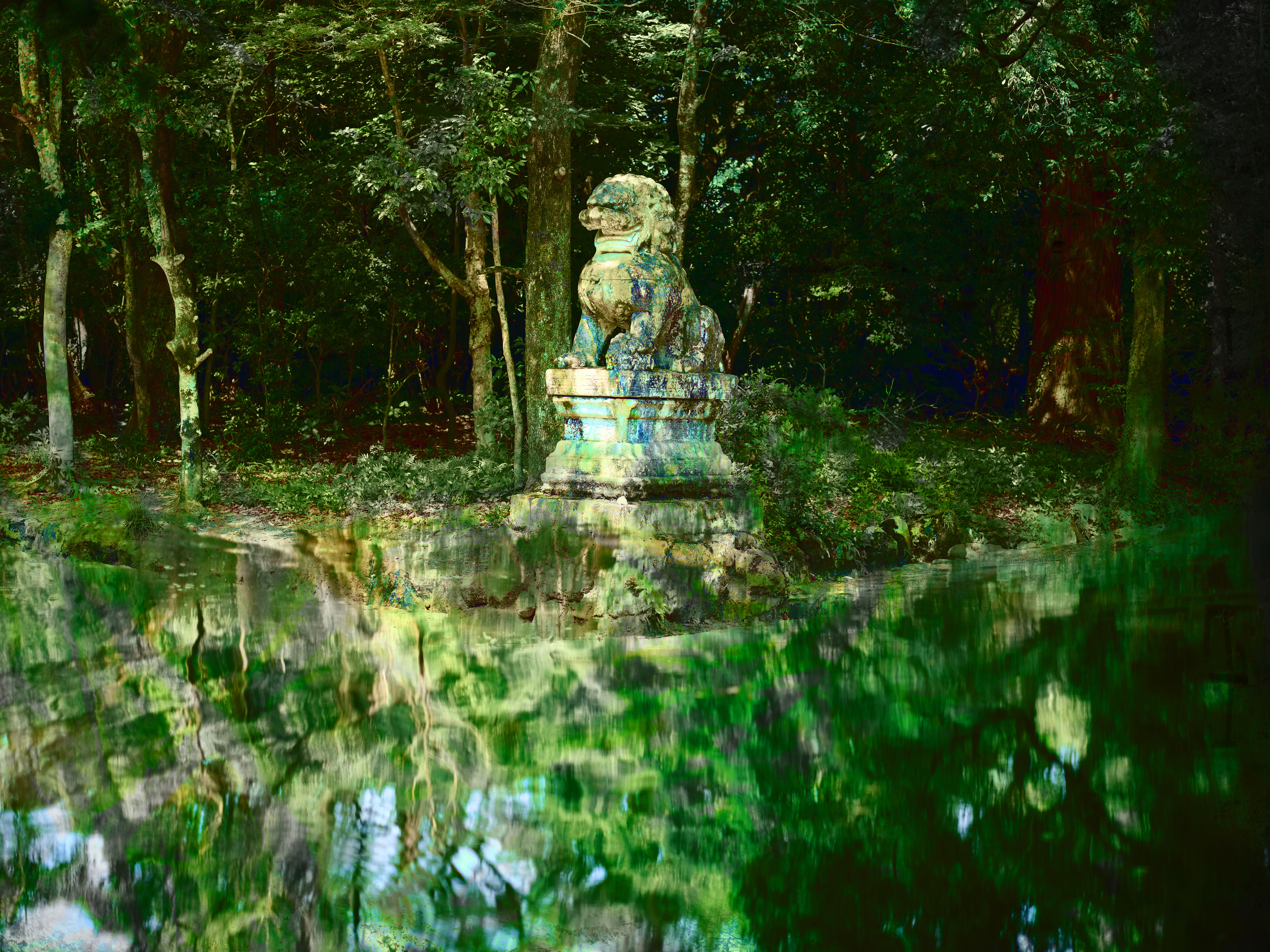
Through multiple exposure, montage, and layered photographic processes, geographically distant locations, different moments in time, and fragments of perception are brought together within a single image. The resulting works do not depict physical reality, but rather landscapes reconstructed through memory, imagination, and accumulated experience.
Drawing from local myths, religious traditions, historical narratives, sites of loss, and traces of human presence within nature, the project investigates how stories become embedded within places and remain active long after their origins have faded from view.
Rather than approaching landscape as a static subject, STORYSCAPES considers it a living repository of memory. By connecting places separated by geography, culture, and time, the works seek to reveal invisible relationships between people and place, inviting viewers to reflect on how landscapes shape collective memory and human understanding.
Landscapes shaped by mythology and collective memory.
Landscapes shaped by loss and remembrance.
Landscapes shaped by belief and invisible presence.
Landscapes shaped by time and human traces.
Spatial Installation Proposal
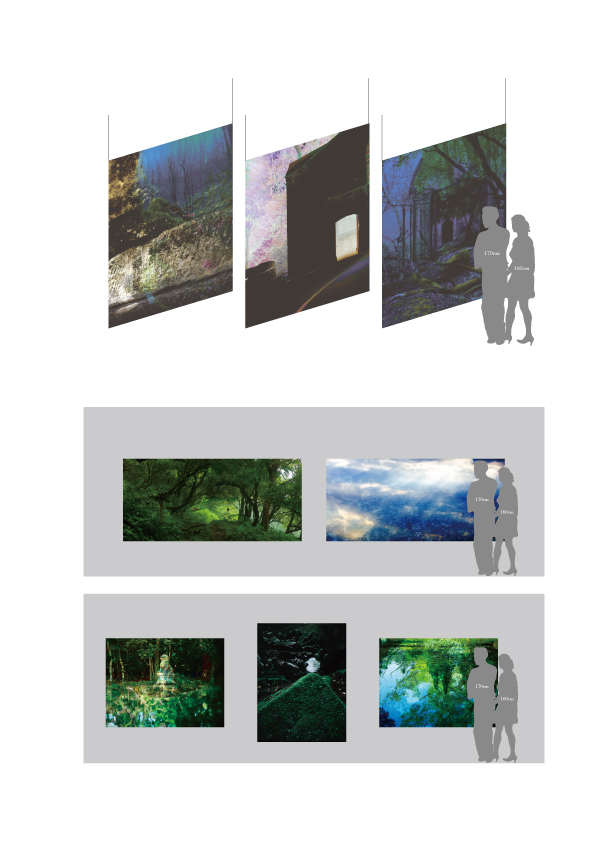
The installation consists of large-scale photographic works printed on translucent materials and suspended from the ceiling.
Visitors move through overlapping layers of images, light, and shadow, encountering landscapes that appear simultaneously present and distant.
Additional framed works on the walls provide fragments of memory, belief, loss, and human traces connected to the suspended images.
The installation transforms photography into a spatial experience, inviting viewers to physically navigate a landscape of memory.
The proposed installation illustrates one possible configuration of the project. Individual works and spatial relationships may vary according to the characteristics of the exhibition site.